
From the SFRA Review
Spring 2026
Ian Campbell
Recently, the Palantír Corporation, the child of Peter Thiel, who is second only to Elon Musk in the race to become the world’s worst reader of SF, took a break from making climate change worse by saddling us all with comprehensive AI-based surveillance in order to publish a manifesto. They could have just kept profiting from selling their services to the current regime and externalizing the electrical and environmental costs to the public, but like all cartoon villains, they needed to tell us just how they planned to make everything worse. These are people who read The Lord of the Rings and took from it only that a race war would be a good thing, so they’re nothing like the deep thinkers they believe themselves to be. Nevertheless, there is a meaningful extent to which science fiction is… not responsible for this, so much as perhaps has been roped into this dystopian vision. The manifesto deserves to be quoted in full:
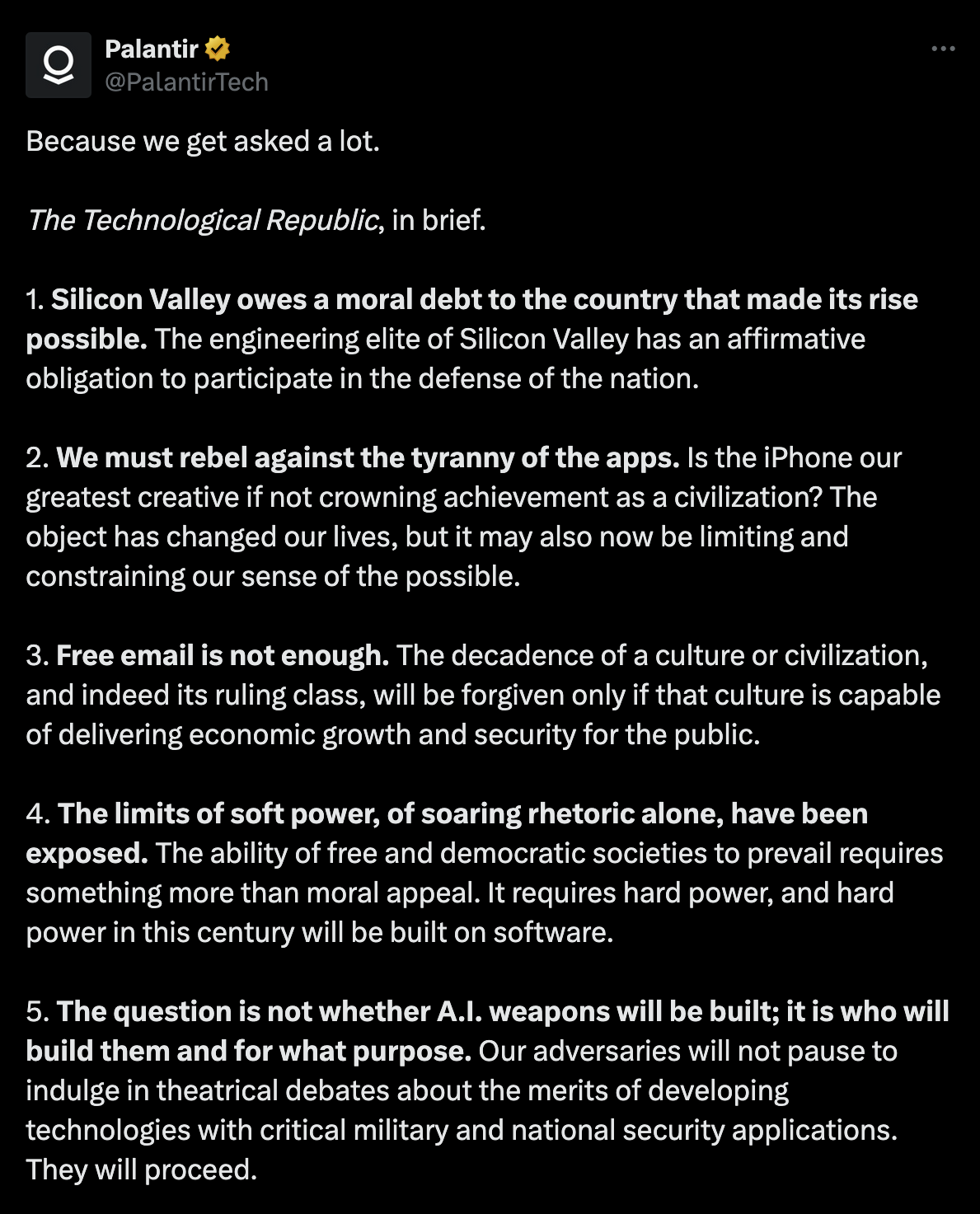
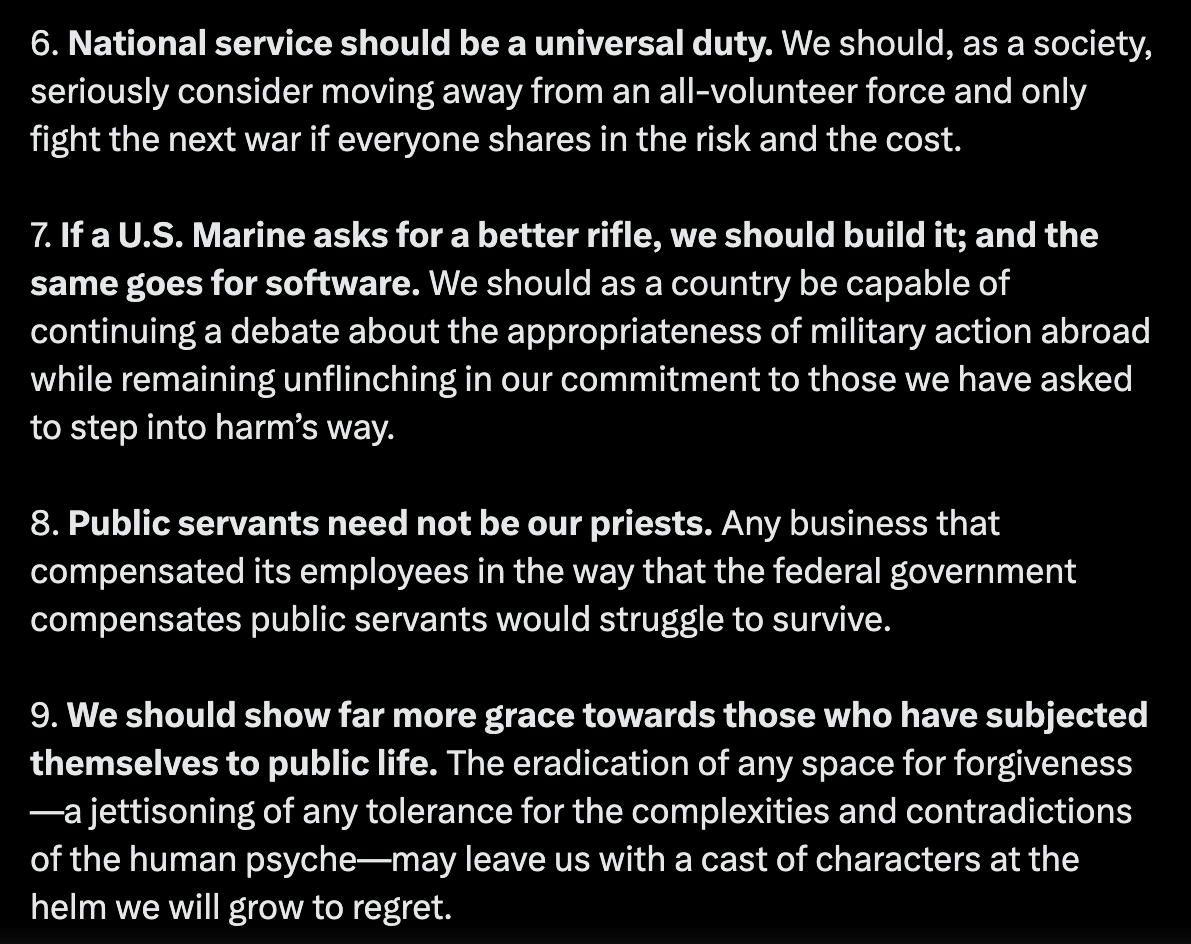
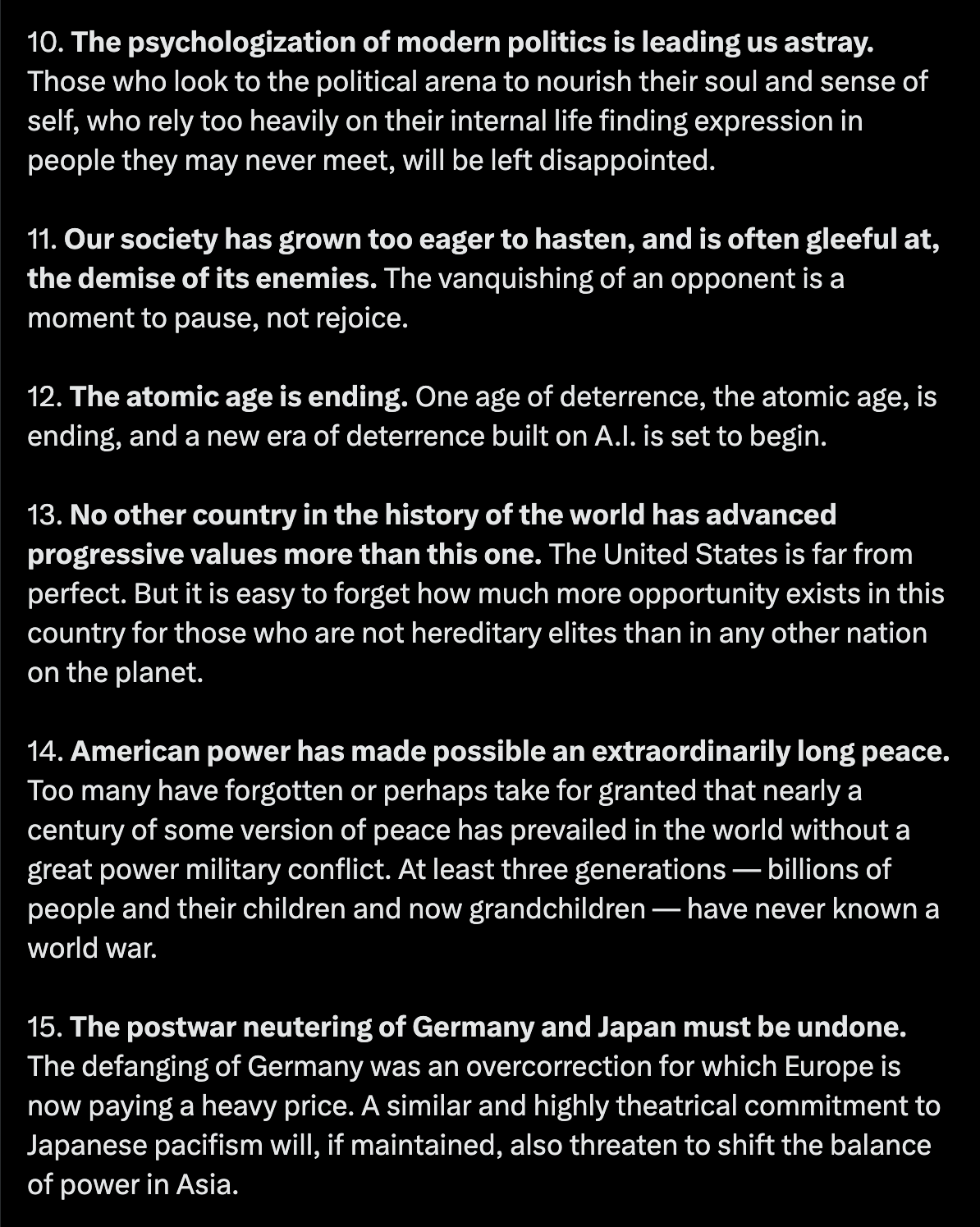
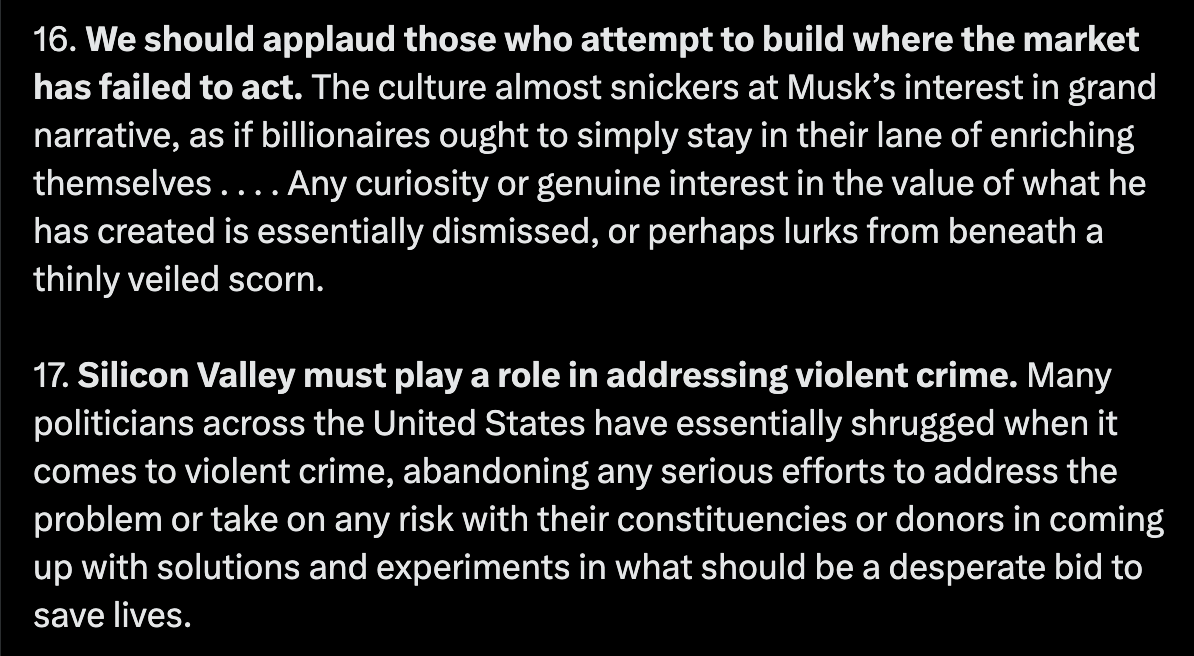
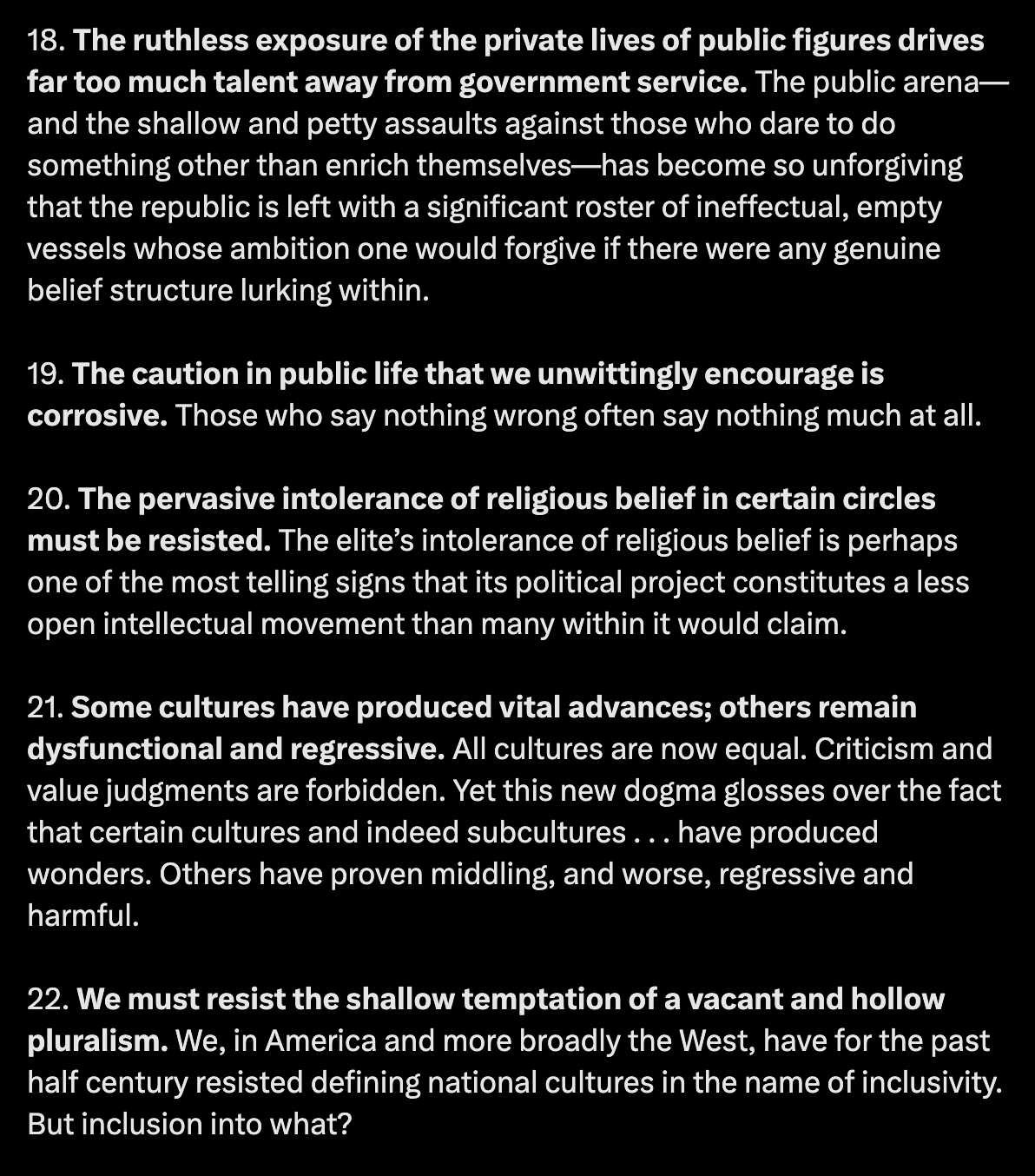
You’re all professional readers: you can see the violent herrenvolk “democracy” this is intended to institute. Corporate power unaccountable to the public (1, 2, 5, 16, 17), white supremacy (3, 6, 13, 17, 21, 22), endless resource wars (4, 5, 6, 7, 12, 15), led by leaders who must not be held accountable for raping children (8, 9, 10, 11, 16, 18, 19), with the ordinary people kept in line by technology, propaganda and Bronze Age patriarchy (3, 5, 6, 7, 13, 16, 20, 21, 22).
Just like with Project 2025, our oligarchy has laid out precisely what they intend to do: welcome to Russia 2.0. The reason I draw this to your attention, in case you’d not seen it before, is because of its science fictionality. These are the people who read about the Torment Nexus and took from the text not the desire to prevent it, but rather the desire to build it.
My question to us all—and this is intended to provoke a conversation, not to provide nor promote my own answer to it, in part because I haven’t an answer—is how can science fiction respond to this? We’ve all seen the deep decline in readership of SF compared to fantasy in recent years, coupled with the dominance of fantasy over SF in SFF awards. I believe that this is at least in part because what Palantír is giving us here is the unevenly-distributed science fiction future, and next to nobody likes it. There are writers who have addressed this, and there are undoubtedly writers trying to confront this right now: how do we uplift them? How do we, as scholars, confront this, subvert it, deconstruct it? Do we write our own manifesto? If SF is about using real or imaginary science and technology to estrange or critique our world, how do we create or uplift stories that critique a world where real science and technology are being used to oppress us? What is our collective responsibility, here? I should note that this column represents my own personal thoughts and opinions, and not those of the SFRA nor its leadership. Write me with your own thoughts and opinions at icampbell@gsu.edu.
Enjoy this very short issue of the SFRA Review: its publication date’s being at the end of the academic year makes long-form content a challenge.

 SFRA Review